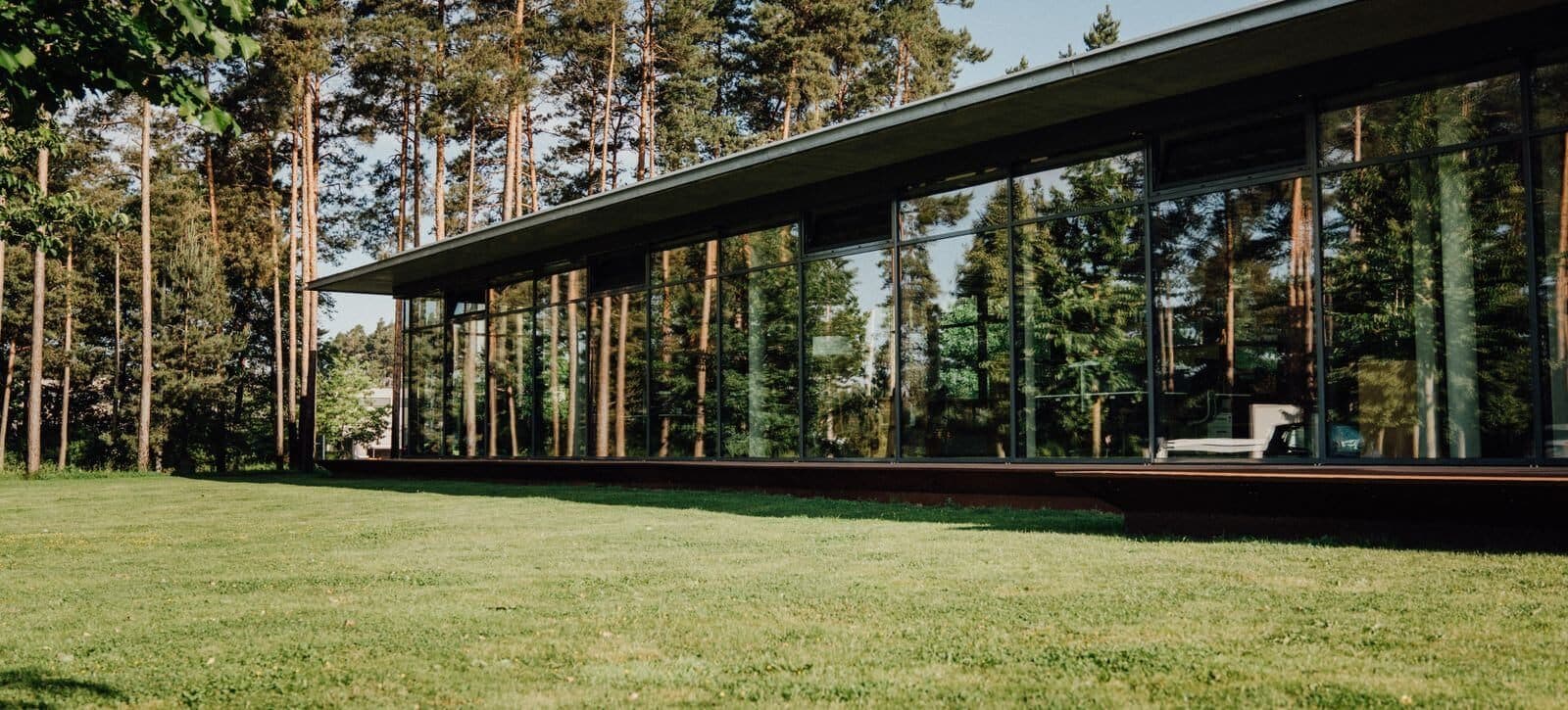
Mangelberger headquarters in Roth, set in the forest

Sustainability

for highly economical switchgear with product carbon footprint (PCF)

As a company, we have been almost CO₂-neutral for years. We offer our customers the opportunity to benefit themselves from sustainable production and a circular economy in switchgear manufacturing.

We supply comprehensive data on the product carbon footprint (PCF) of the switch cabinets we manufacture to DIN ISO 14067, buy back our systems at the end of their service life and, with “Woody Case”, even offer a solution for renewable switch cabinets made of wood.

Love this planet? Feel free to get in touch.

Contact us now
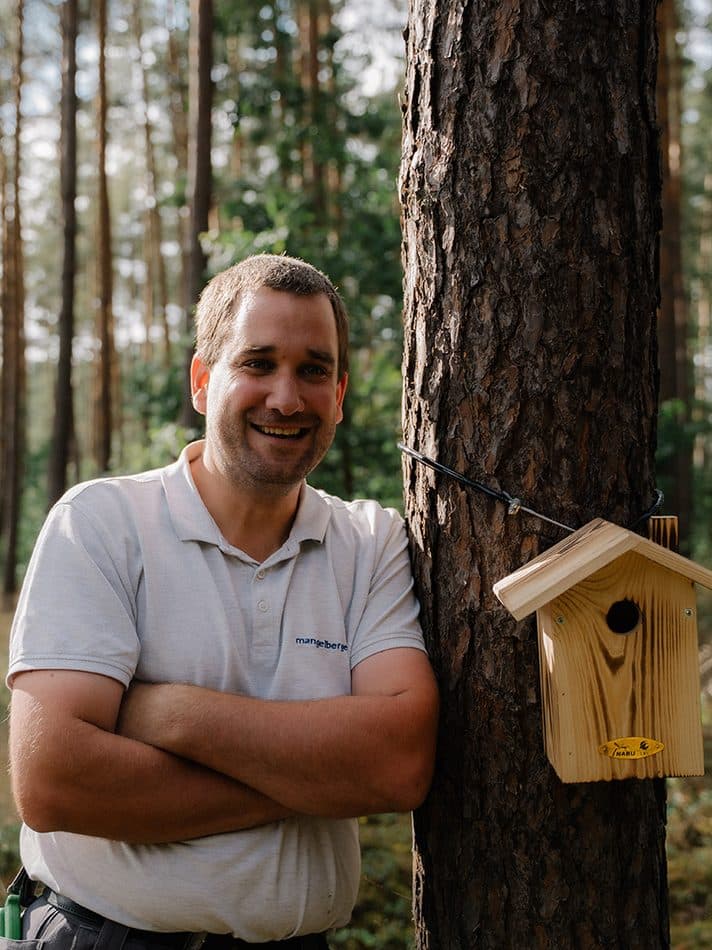
Mangelberger employee at a tree with a birdhouse on the company grounds

CO₂-neutral

Optimised production

We follow national and international sustainability strategies, live by LEED principles (Leadership in Energy and Environmental Design) and act according to our own FFH guidelines (fauna, flora, habitat).

Days of sunshine, the position of the sun and battery storage capacities are built into our automated production planning: on request, we match the production requirements of our switchgear to the availability of solar energy and stored energy.

DIN ISO 14067

Product carbon footprint

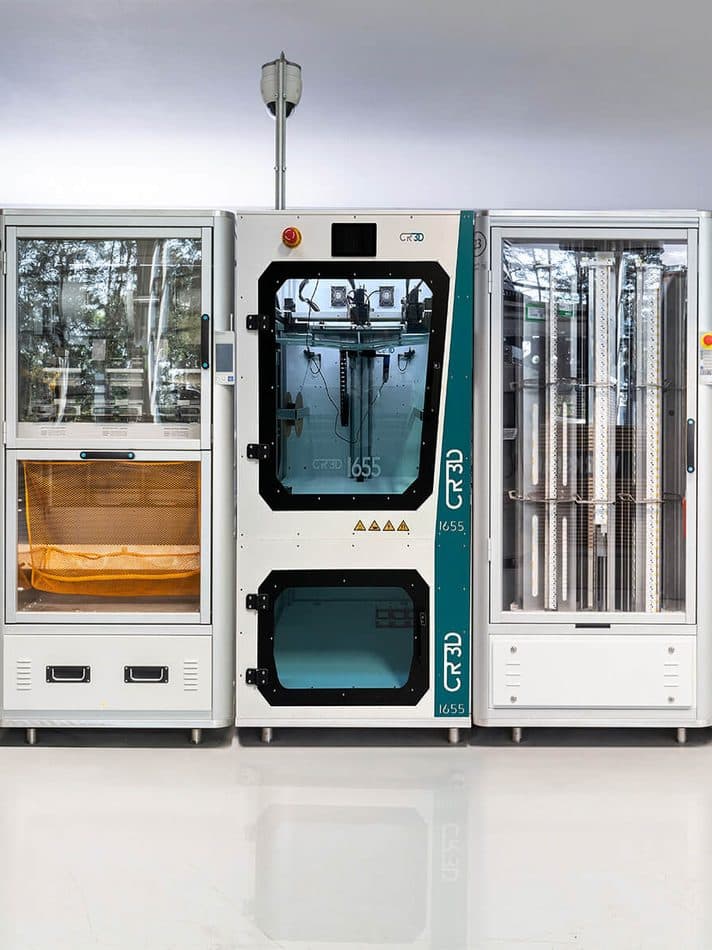
We have developed comprehensive solutions for collecting the production data of our switchgear. Components are scanned during their automated assembly in order to document product-related raw material compositions and archive places of manufacture.

This allows us to provide our customers with important information: on raw material shares, CO₂ equivalents, energy inputs, recycling, deforestation-free supply chains – and as part of a product carbon footprint (PCF) to DIN ISO 14067.

And: the detailed raw material composition of every newly manufactured switchgear assembly is even available at a glance … on the graphic on the rating plate.

Production system for collecting production data at Mangelberger
Forest floor with moss and rocks: opening of the film “Green Panel”
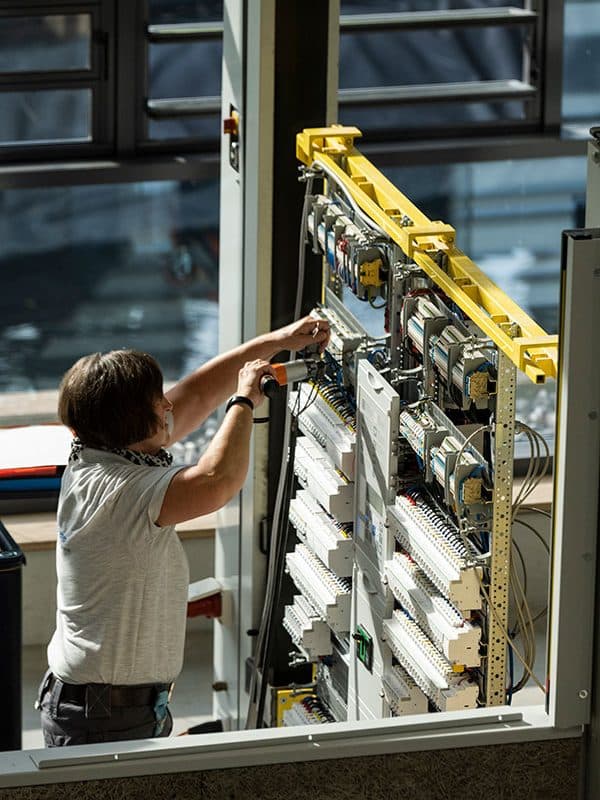
Employee fitting components into a switchgear mounting frame

In the loop

Circular economy

We asked ourselves: what happens when manufacturers can no longer manufacture because raw materials are lacking? When plastic granulate, steel, silver or copper are not available? When even our six-month stock of materials runs out because terminals cannot be produced without plastic and switching relays cannot be produced without copper?

In 2021, we introduced circularity for switchgear. Since then, we have been buying back our switch cabinets after end of use in order to …

  • … use endlessly usable components endlessly
  • … recycle switchgear and copper systems instead of disposing of them
  • … granulate plastic parts to obtain components for new switchgear
  • … pursue innovative ecological and economic paths together

In our research projects, we are investigating how robotics and AI will help with disassembly in future.

Woody Case

Switch cabinet made of wood

WOODY Case grows with its challenges. The switch cabinet enclosure is made of CO₂-neutral wooden parts, thus supporting NetZero in switchgear, and can be flexibly dismantled and reassembled, for example as a single bed, double bed or bunk bed.

Find out more
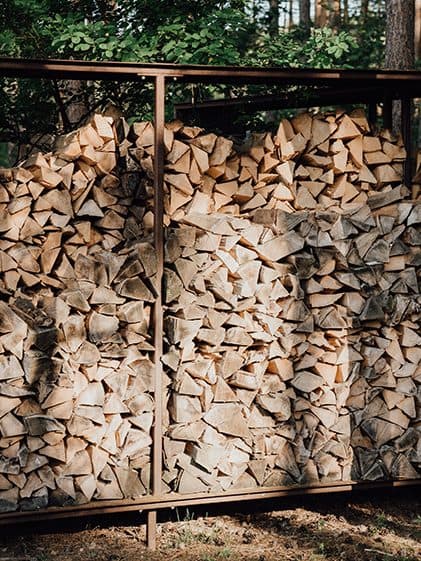
Stacked wood in a Corten steel rack on the company grounds
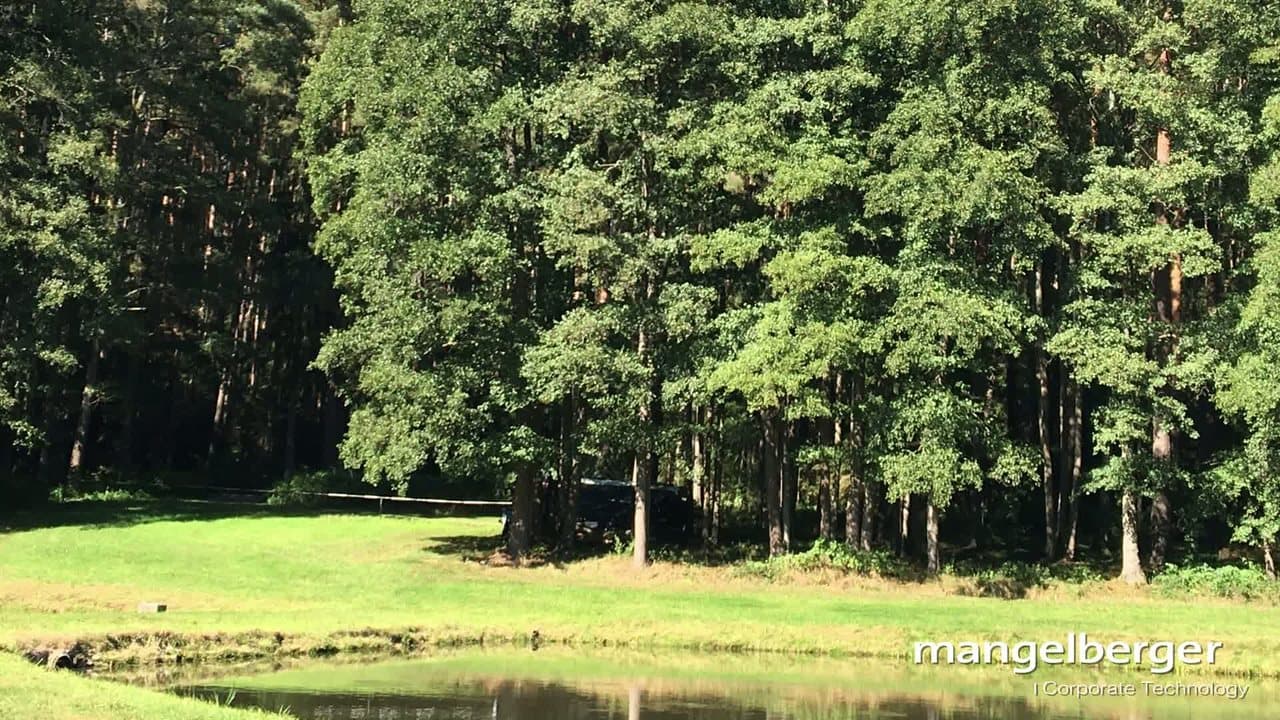
Edge of a forest with meadow and pond: opening of the film “Ecology”
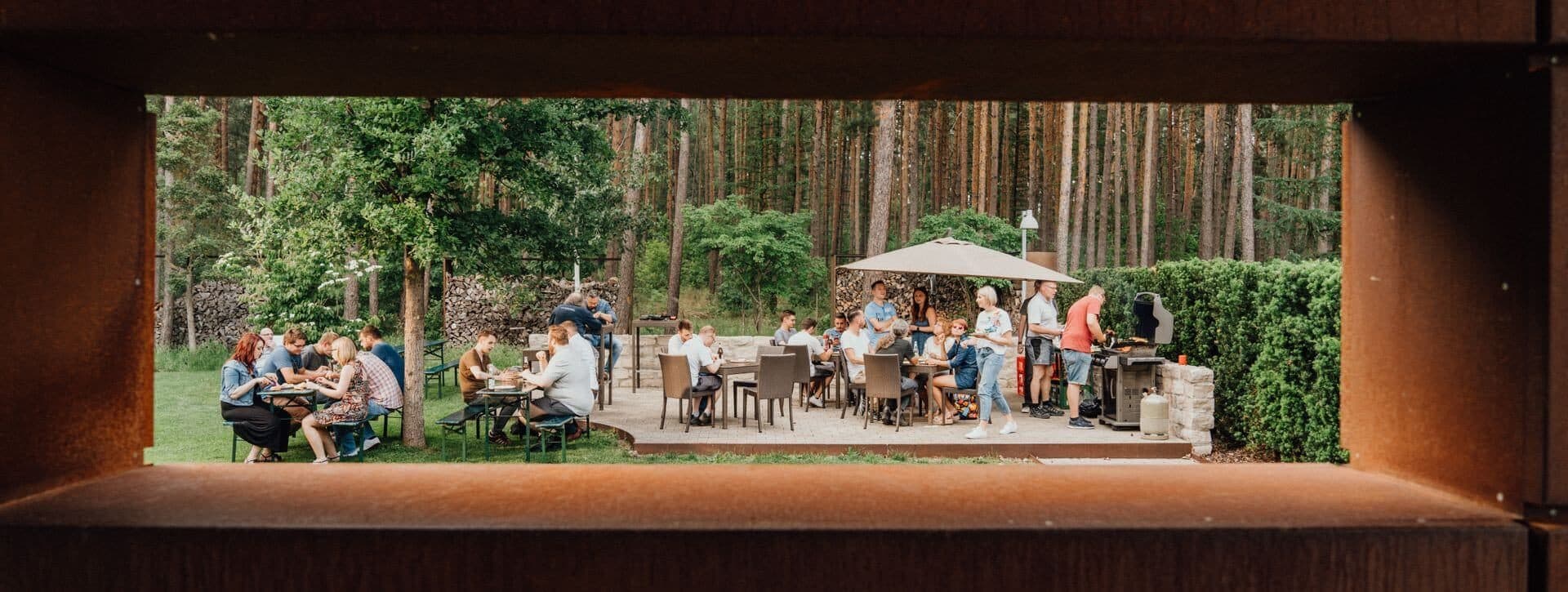
Employees outdoors on the company grounds: contact for sustainability

Opening up new possibilities

Do you have questions or would you like a no-obligation initial consultation?
We look forward to talking with you.

Frequently asked questions about sustainability in switchgear manufacturing

What is a product carbon footprint needed for?

A product carbon footprint (PCF) is needed to make the climate impact of a specific product or service measurable. It shows the total greenhouse gas emissions in CO₂ equivalents – depending on the system boundary, from the extraction of raw materials through manufacturing and transport to use and disposal.

Why can Mangelberger offer such comprehensive circularity?

Because we have been developing our standardised switchgear with low component variance for decades. Despite ongoing optimisation, relevant interfaces have never been changed. That is why almost 100 % of the non-electrical components we have used since 1994 still fit into current switchgear today: from DIN rails through mounting frames and spacers to modular wiring systems.

What does “sustainable smart manufacturing” mean in switchgear manufacturing?

For us, “sustainable smart manufacturing” means above all the circularity of the components we develop and the components we buy in. Contrary to the general trend of launching new products at ever shorter intervals, we invest in the philosophy of “Upgrade Existing Device” (UED). Systems we develop are designed, for example, so that continuous upgrades can significantly extend their life cycle.

What happens to the wooden puzzle pieces of Woody Case after a switchgear assembly is returned?

As part of extended material use, our wooden switch cabinet enclosures can be dismantled without tools, separated and then transformed into furniture such as single beds, double beds, children’s beds or bunk beds. Here, too, we offer added value at no extra cost: for us … and for our environment.

We’re here!

Are you interested in sustainable solutions and CO₂-neutral production in switchgear manufacturing? Just get in touch.